Best Seasons for Roof Vent Boot Installation
Determining the optimal time for roof vent boot installations depends on weather conditions and seasonal factors. Installing during mild weather minimizes risks associated with extreme temperatures, rain, or snow, ensuring proper sealing and adherence. Typically, late spring and early fall are considered ideal periods for such work, as temperatures are moderate and weather patterns are generally stable.
Installing roof vent boots during dry, moderate weather ensures better adhesion and reduces the risk of leaks or damage.
Spring and fall offer the best conditions, avoiding extreme heat or cold that can affect materials and installation quality.
Regions with mild climates year-round may have more flexible installation windows, while colder or hotter climates require scheduling around weather patterns.
Proper installation timing helps maintain the integrity of roofing materials, preventing premature deterioration.
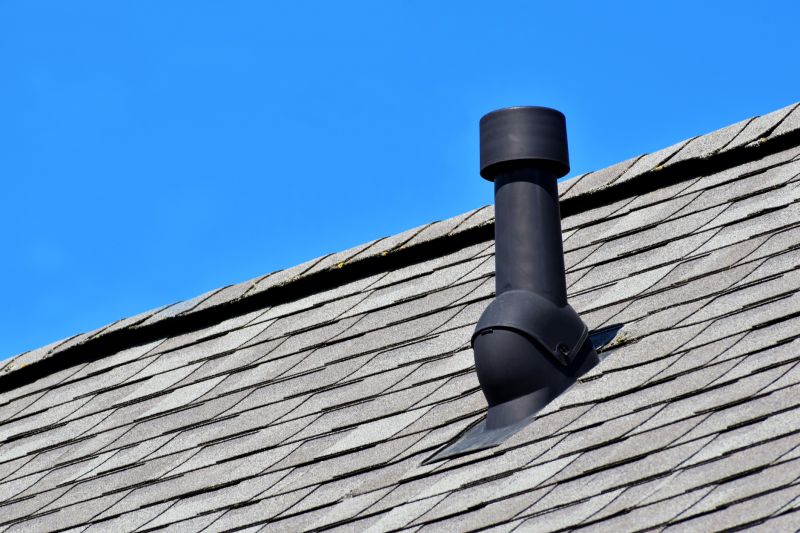
Ways to make Roof Vent Boot Installations work in tight or awkward layouts.
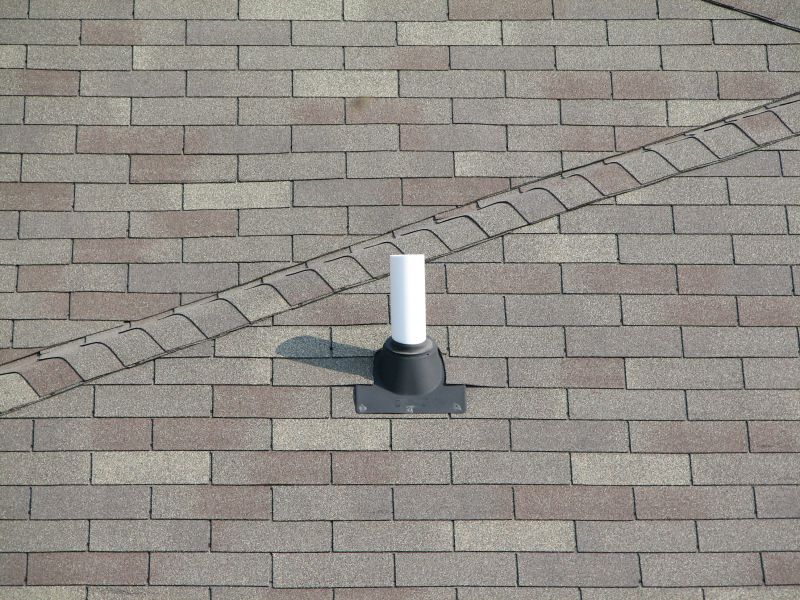
Popular materials for Roof Vent Boot Installations and why they hold up over time.
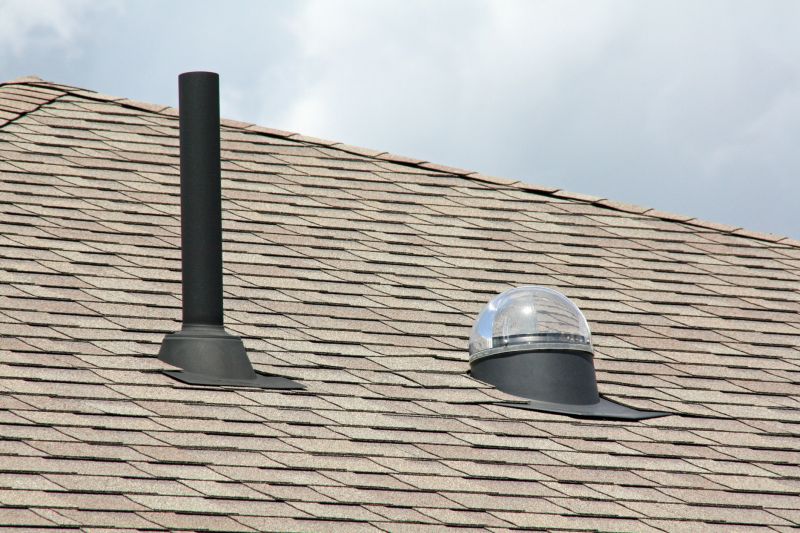
Simple add-ons that improve Roof Vent Boot Installations without blowing the budget.
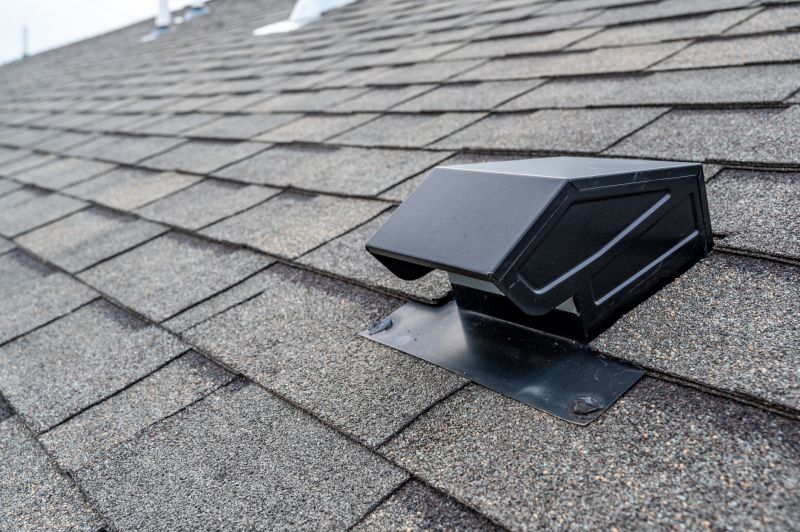
High-end options that actually feel worth it for Roof Vent Boot Installations.
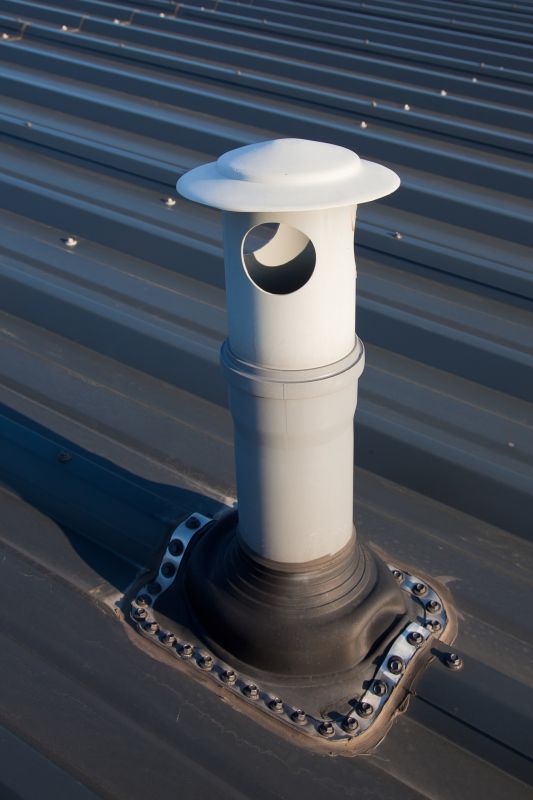
Finishes and colors that play nicely with Roof Vent Boot Installations.
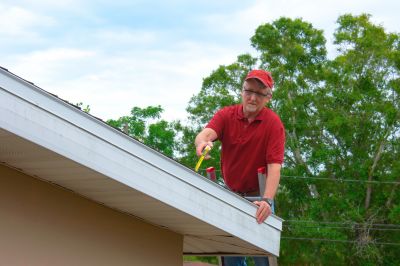
Little measurements that prevent headaches on Roof Vent Boot Installations day.
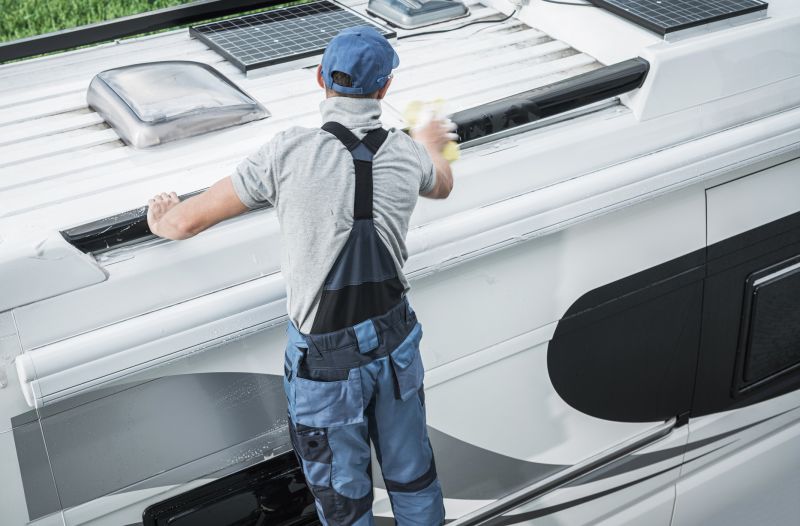
A 60-second routine that keeps Roof Vent Boot Installations looking new.
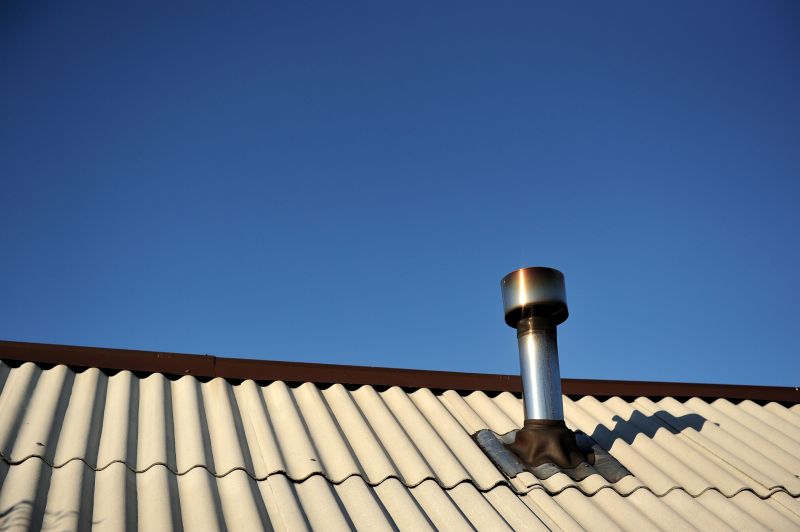
A frequent mistake in Roof Vent Boot Installations and how to dodge it.
Roof vent boot installations are essential for maintaining roof integrity and preventing leaks. Properly installed vent boots ensure a weather-tight seal around roof penetrations, which are common entry points for water infiltration. The process involves removing old or damaged boots, preparing the area, and securely fitting new boots that accommodate the vent pipe and roofing material. Quality installation extends the lifespan of the roof and reduces long-term maintenance costs.

Small tweaks to make Roof Vent Boot Installations safer and easier to use.
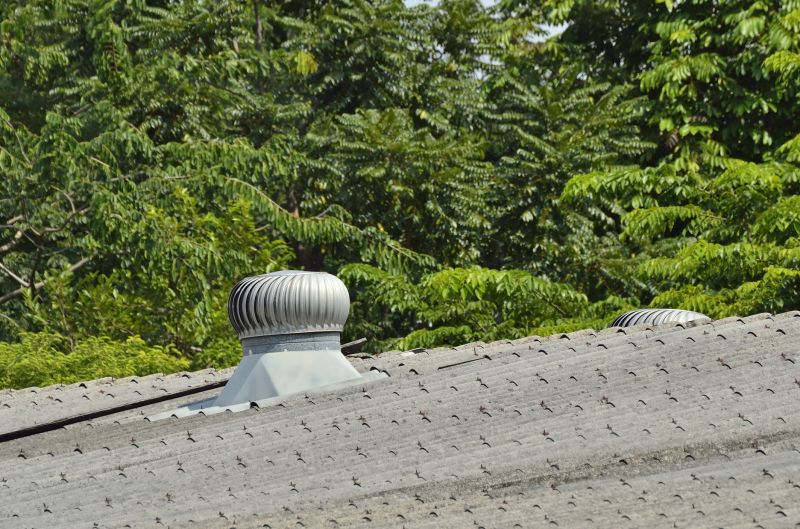
Lower-waste or water-saving choices for Roof Vent Boot Installations.
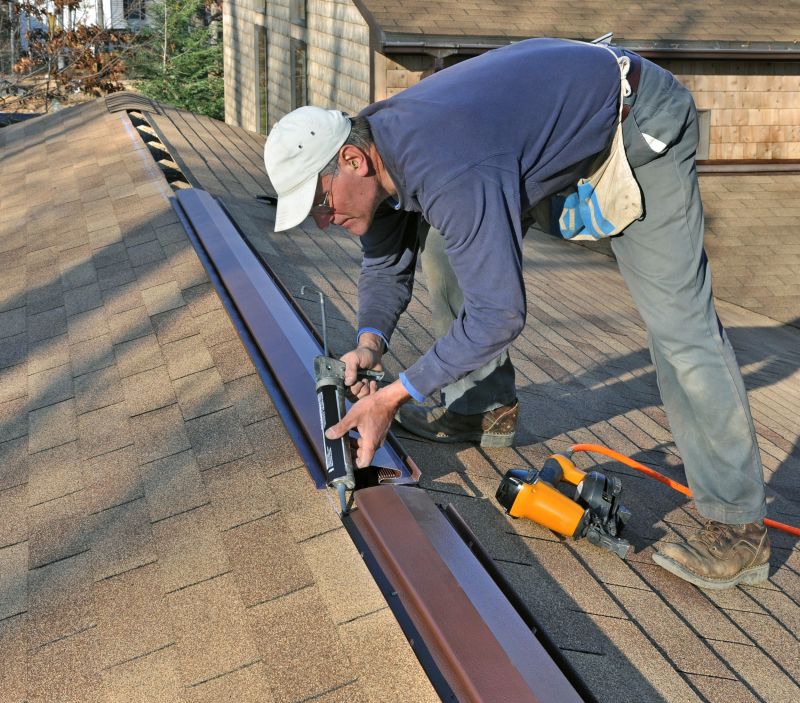
The short, realistic tool list for quality Roof Vent Boot Installations.
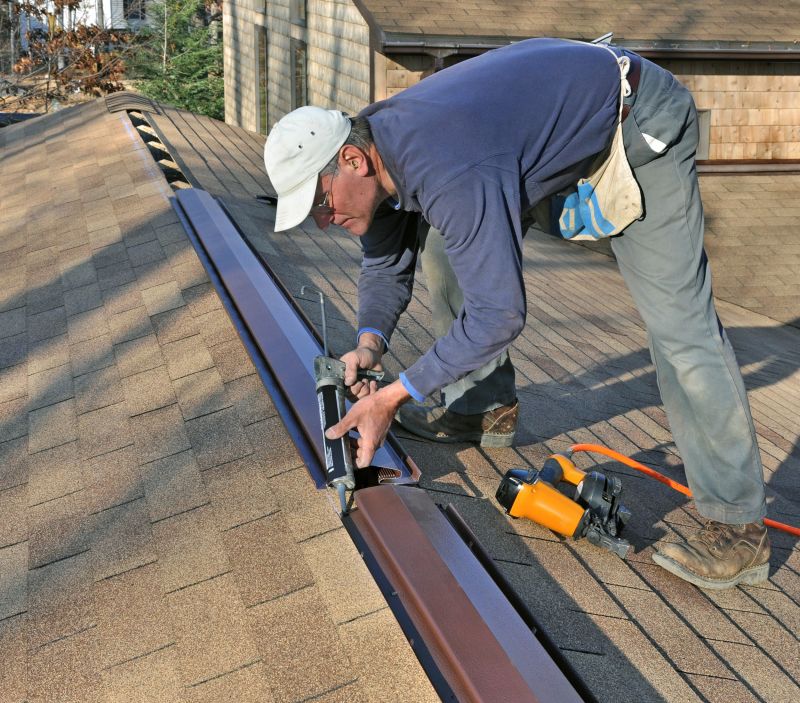
Rough timing from prep to clean-up for Roof Vent Boot Installations.

Quick checks and paperwork to keep after Roof Vent Boot Installations.

Examples that show the impact a good Roof Vent Boot Installations can make.
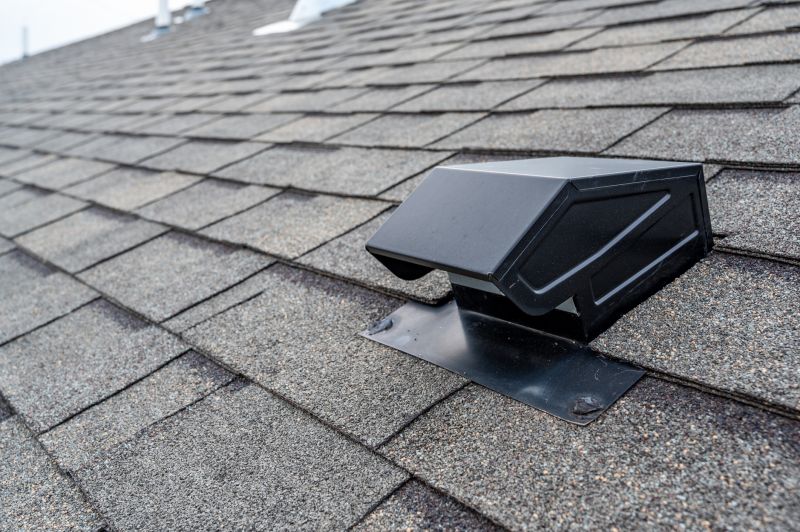
Ways to make Roof Vent Boot Installations work in tight or awkward layouts.
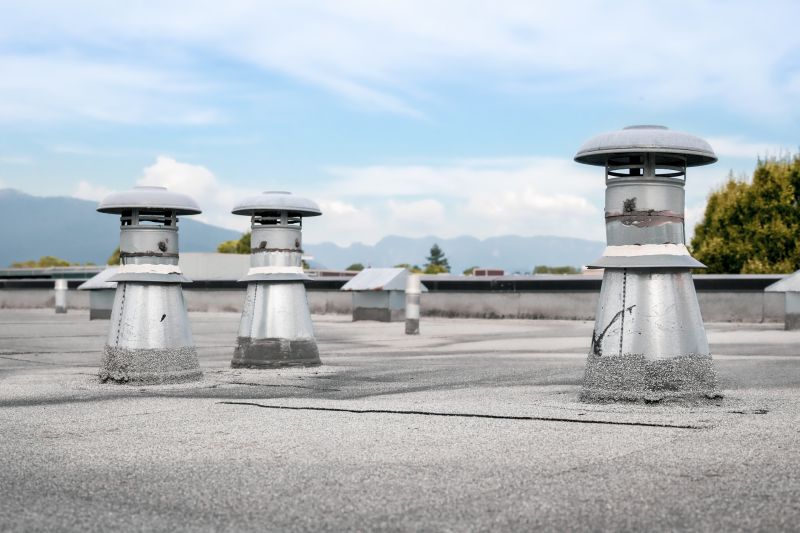
Ways to make Roof Vent Boot Installations work in tight or awkward layouts.
| Factor | Details |
|---|---|
| Weather Conditions | Ideal during dry, moderate temperatures to ensure proper sealing. |
| Seasonal Timing | Spring and fall are preferred for stable weather. |
| Regional Climate | Mild climates allow more flexible scheduling. |
| Material Performance | Proper timing preserves material integrity. |
| Installation Readiness | Scheduling in optimal seasons reduces delays. |
| Temperature Impact | Extreme heat or cold can affect installation quality. |
| Moisture Risks | Avoid installing during rainy or snowy conditions. |
| Long-term Durability | Timing influences the lifespan of the roof penetration seals. |
Choosing the right time for roof vent boot installation ensures the longevity and effectiveness of the sealing process. Proper scheduling minimizes weather-related risks and enhances the durability of the roofing system. It is recommended to plan installations during periods of stable, mild weather to achieve the best results.
Interested in scheduling a roof vent boot installation? Filling out the contact form can provide more information and help determine the best timing for specific roofing needs. Proper planning and execution are key to maintaining roof integrity and preventing costly repairs.