
Essential Products For Roof Vent Boot Installations To Prevent Leaks
Select from trusted products designed to provide a secure seal and prevent water intrusion around roof vents.
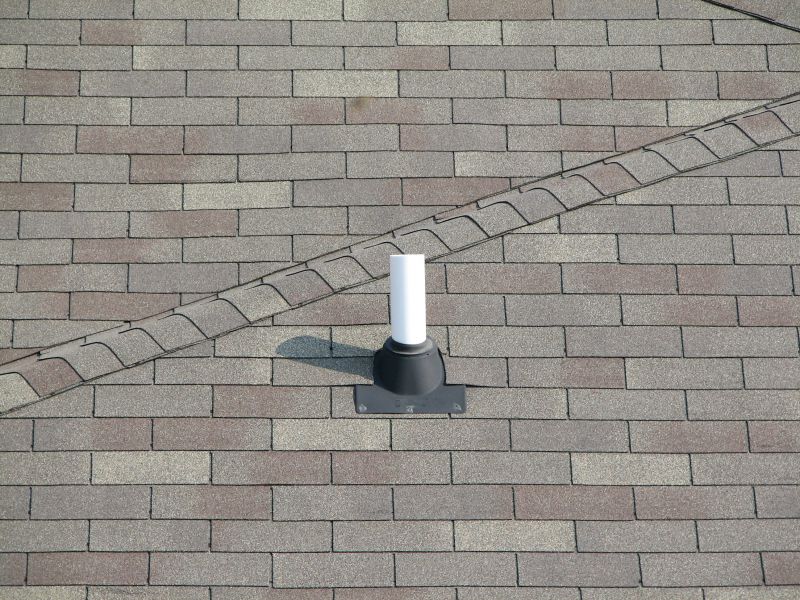 Installing roof vent boots is a crucial step in ensuring proper ventilation and protection for roofing systems. These components serve as the interface between the roof penetrations and the vent pipes, helping to prevent leaks and water intrusion. Selecting the right vent boot involves understanding various factors such as material durability, compatibility with different roofing materials, and ease of installation. Properly installed vent boots can extend the lifespan of roofing systems by providing a secure, weather-resistant seal around vent pipes.
Top Overall Option
Universal Rubber Roof Vent Boot
A versatile rubber vent boot designed to fit a wide range of pipe sizes and roof types. Its flexible construction allows for easy installation and reliable sealing around vent pipes, making it a popular choice for both DIY projects and professional roofing. Crafted from durable rubber, it offers good weather resistance and longevity when properly maintained.
Types of Products For Roof Vent Boot Installations
Round Roof Vent Boot
Designed specifically for round vent pipes, these boots provide a snug fit and reliable seal for circular penetrations.
Square Roof Vent Boot
Tailored for square or rectangular vent pipes, offering a precise fit for non-circular penetrations.
Flexible Rubber Boot
Made from flexible rubber material for easy installation on various roof pitches and pipe sizes.
Silicone Vent Boot
Offers excellent weather resistance and flexibility, suitable for harsh weather conditions.
Metal Flashing Vent Boot
Constructed from metal for enhanced durability and a traditional appearance, often used in high-wind areas.
Adjustable Vent Boot
Features adjustable components to accommodate a range of pipe sizes and angles, simplifying installation.
Universal Roof Vent Boot
Compatible with multiple pipe shapes and sizes, providing a versatile solution for various roofing needs.
Low-Profile Vent Boot
Designed to sit flush with the roof surface, reducing wind resistance and aesthetic impact.
High-Temperature Vent Boot
Made from heat-resistant materials suitable for installations near heat sources or in hot climates.
Weatherproof Vent Boot
Specifically designed to withstand severe weather conditions, offering enhanced sealing features.
Popular Choices
A flexible rubber option fitting a variety of pipe sizes, favored for its ease of installation.
Commonly used for round vent pipes, appreciated for its reliable seal and weather resistance.
Known for its durability and flexibility, suitable for challenging weather conditions.
Offers a durable, long-lasting solution with a traditional appearance, often used in high-wind areas.
Provides flexibility in fitting different pipe sizes and angles, simplifying installation.
Designed for a sleek appearance and reduced wind resistance, popular in residential roofing.
Built to withstand severe weather, ensuring a secure seal over time.
Flexible for multiple pipe shapes and sizes, suitable for various roofing projects.
Ideal for installations near heat sources or in hot climates, offering heat resistance.
Designed for square or rectangular pipes, providing a precise fit and seal.
Roof vent boots come in a variety of styles and materials to suit different roofing needs. Some are designed for round pipes, while others accommodate square or oval shapes. Materials typically include rubber, silicone, or metal, each offering different levels of flexibility and weather resistance. Rubber and silicone boots are often appreciated for their ease of installation and flexibility, making them suitable for various roof pitches and pipe sizes. Metal vent boots, on the other hand, provide increased durability and are often used in areas with harsher weather conditions.
Proper installation is key to maximizing the effectiveness of roof vent boots. They should fit snugly around the pipe and be securely fastened to the roofing surface. Additionally, flashing and sealing components are essential to ensure a watertight barrier. When selecting a vent boot, consider the compatibility with your roof type, the size of your vent pipes, and the specific climate conditions of your location. Regular inspection and maintenance can help identify potential issues early, preventing costly water damage.
Investing in quality roof vent boots can contribute significantly to the overall integrity of your roofing system. Whether you are replacing old, worn-out boots or installing new vent pipes, choosing the right product tailored to your needs will support a durable and effective ventilation setup. Understanding the variety of options available will help you make informed decisions for your roofing projects, ensuring long-lasting performance and protection.
Key Buying Considerations
- Compatibility with your vent pipe shape and size to ensure a proper fit.
- Material durability and weather resistance suitable for your climate conditions.
- Ease of installation, especially if doing a DIY project, including flexibility and fastening options.
- Compatibility with your roofing material, such as asphalt shingles, metal, or tile.
- Sealing features to prevent water intrusion and leaks around the pipe penetration.
- UV resistance to prevent degradation over time from sun exposure.
- Flexibility of the boot material to accommodate roof pitches and movement.
- Corrosion resistance, especially for metal boots used in harsh environments.
- Appropriate size range to cover your vent pipe dimensions comfortably.
- Design features like low-profile options for aesthetic preferences.
- Availability of adjustable or universal options for versatile use.
- Compatibility with high-temperature areas if near heat sources.
- Presence of flashing or additional sealing components for enhanced waterproofing.
- Supplier reputation and product reviews for quality assurance.
- Cost considerations balanced with material and feature quality.